
Report Documents Israeli Forces Detaining Syrian Civilians, Transferring Them Into Sde Teiman and West Bank Prisons
A Syria Justice and Accountability Centre investigation traces arrest routes from southern Syria into Israel's detention system, with families left without word for months.
Source: The New Arab · published November 12, 2026
A 14-year-old was detained while tending sheep. Men were stripped in front of their families. Phones were confiscated during pre-dawn raids involving dogs and drone surveillance. These are among the cases documented in Taken in the Night, a new report from the Syria Justice and Accountability Centre (SJAC) on Israeli detention practices in southern Syria since the fall of Bashar al-Assad in December 2024.
The report, based on 23 interviews, field monitoring, and open-source research, traces a detention pipeline that begins at Israeli military positions inside Syrian territory and moves through Sde Teiman, the facility inside Israel long associated with abuse allegations against Palestinian detainees, before some detainees are transferred onward to Israeli Prison Service facilities including Ofer in the occupied West Bank, and Nafha and Negev prisons.
The UN Commission of Inquiry, in findings presented in September, identified 49 individuals, including two children, detained by Israeli forces on Syrian territory, lending independent corroboration to the scale of the practice SJAC describes.
Israel has occupied the Syrian Golan Heights since 1967. After Assad's overthrow, its forces seized the UN-monitored buffer zone established under the 1974 disengagement agreement and advanced further into Quneitra and western Daraa, establishing what the report counts as ten military positions, along with military roads, checkpoints, and restrictions on access to farmland. Israel describes the deployment as temporary and disputes that it amounts to occupation. SJAC concludes that effective control over the territory triggers the legal obligations of an occupying power regardless of how Israel characterizes its presence.
"I think that these detainees themselves have become leverage," Salma Daoudi, SJAC's research and policy officer and the report's lead author, told The New Arab.
Former detainees interviewed by SJAC described conditions at Sde Teiman that mirror accounts previously documented regarding Palestinian prisoners held there: being stripped of names and assigned numbers, forced into stress positions, threatened with firearms, and subjected to stun grenades. These specific allegations have not been independently verified beyond the detainee testimony collected for the report.
Interrogators reportedly used photographs and satellite imagery during questioning, with Daoudi noting investigators appeared to know granular details of detainees' daily lives. One woman told researchers she suffered a miscarriage shortly after her husband's arrest, which she attributed to the distress of the raid; this account has not been medically verified.
Families described going months without official confirmation of a relative's location, in some cases learning information only through released Palestinian prisoners, lawyers, or human rights organizations. Daoudi said Israel is increasingly treating the occupied Golan and newly seized Syrian territory "as one operational territory," folding the area into its broader security and detention framework.
Sources & Documentation
- How Israel's occupation is swallowing Syrians into its prisons — The New ArabPrimary source, reporting on SJAC's 'Taken in the Night' investigation
Related Coverage
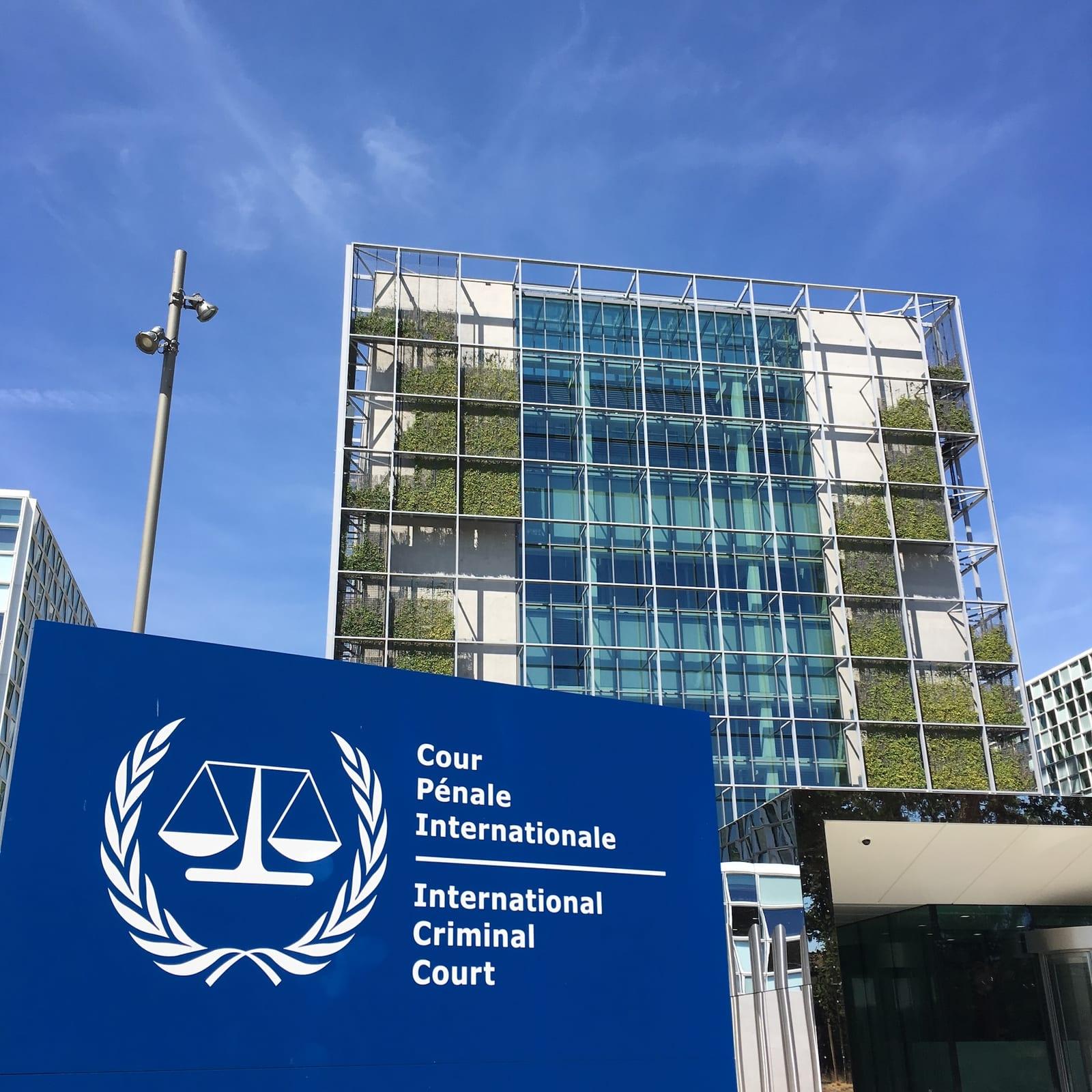
UN Commission Asks ICC to Add Genocide to Netanyahu and Gallant Charges
UN Commission of Inquiry tells General Assembly Israeli forces still commit genocidal acts in Gaza, urges ICC to add genocide to Netanyahu and Gallant's existing arrest warrants.
 Video
Second Israeli Soldier Accused in Gaza War Crimes Complaint Leaves India Weeks After Filing
An Israeli soldier accused of Gaza war crimes left India weeks after a criminal complaint was filed, the second such departure this year as New Delhi declines to act.
 Video
UN and B'Tselem Count Over 900 West Bank Checkpoints as Israeli Army Closes Beit El Gate Daily to Clear Road for Settlers
UN and B'Tselem documentation counts over 900 West Bank checkpoints and gates; reporting describes a daily 4pm closure at Beit El that clears the road for settler traffic.