
Trump Administration Uses Deportation Threats Against Pro-Gaza Student Organizers
Four university researchers tied to campus protests against Israel's war on Gaza face detention, deportation orders or exile, in what lawyers call the harshest crackdown on political speech since the Cold War.
Source: The New Arab · published August 19, 2026
US immigration authorities have spent more than a year pursuing deportation cases against four university researchers who helped lead campus protests against Israel's war on Gaza, a pattern legal experts describe as the most aggressive use of immigration law against political speech since the McCarthy era.
Columbia University graduate Mahmoud Khalil, a Palestinian born in Syria and a US permanent resident, was arrested by ICE agents in March 2025 outside his university housing, according to the established timeline of his case. He was transferred to a detention facility in Louisiana and held there for more than 100 days.
The Trump administration invoked a rarely used provision of immigration law that allows deportation of a permanent resident if the Secretary of State determines their presence harms US foreign relations. Officials accused Khalil of terrorism ties and, according to the record of the case, explicitly cited his opposition to Israel as grounds for removal.
A pattern across campuses
Khalil is one of four researchers identified as organizers of the pro-Gaza movement that spread across US universities, calling for an end to Israel's campaign in Gaza and for university divestment from Israeli-linked holdings.
Three face active deportation threats: Khalil; Mohsen al-Mahdawi, a fellow Columbia researcher born in a West Bank refugee camp who moved to the US roughly a decade ago and holds a green card; and Badar Khan Suri, an Indian national studying at Georgetown University. A fourth, Turkish doctoral researcher Rumeysa Ozturk of Tufts University, left the country rather than continue fighting her case, fearing renewed detention.
Al-Mahdawi was arrested by federal agents in April 2025 inside a government building during what was meant to be a citizenship interview. An immigration court in Vermont has since blocked his deportation.
Courts push back, but the fight isn't over
Khalil's legal team has scored partial wins. A federal judge in New Jersey ordered his release, though an appeals court later ruled he must exhaust immigration court proceedings first. The case escalated when the Board of Immigration Appeals, an executive-branch body under the attorney general rather than an independent court, issued a final deportation order against him in April. According to the case record, all but two of the board's 19 judges were appointed under Republican attorneys general, and Khalil's lawyers say the ruling came within nine days, a turnaround they call unprecedented.
The Third Circuit Court of Appeals subsequently blocked Khalil's detention or deportation while his other appeals proceed. His lawyers argue in court filings that the administration's decision amounts to political retaliation and bypassed normal immigration appeal channels.
Why it matters
Legal experts and activists cited in reporting on the cases say the campaign against these four researchers echoes 1950s-era deportations of people affiliated with the Communist Party, a precedent not repeated since, apart from a smaller wave of deportations of pro-Palestinian activists during the Reagan administration in the 1980s.
The outcome of these cases could affect an estimated 13 million US permanent residents and other visa holders, according to the source record, by testing whether noncitizens who criticize Israeli policy can be removed from the country for that speech alone. Advocates warn the cases risk cementing a two-tier system of protected speech, one for citizens and a narrower one for noncitizens.
None of the deportation cases have reached a final, non-appealable resolution.
Further Documentation
Sources & Documentation
- US uses deportation against leaders of pro-Gaza college protests — The New ArabPrimary source for case details and timeline
Related Coverage

Pelosi-Endorsed Candidate Calls for 'Full Arms Embargo' on Israel at California Debate
Nancy Pelosi's endorsed successor called for a full arms embargo on Israel in a debate, breaking from her mentor's decades of support for military aid.
 Video
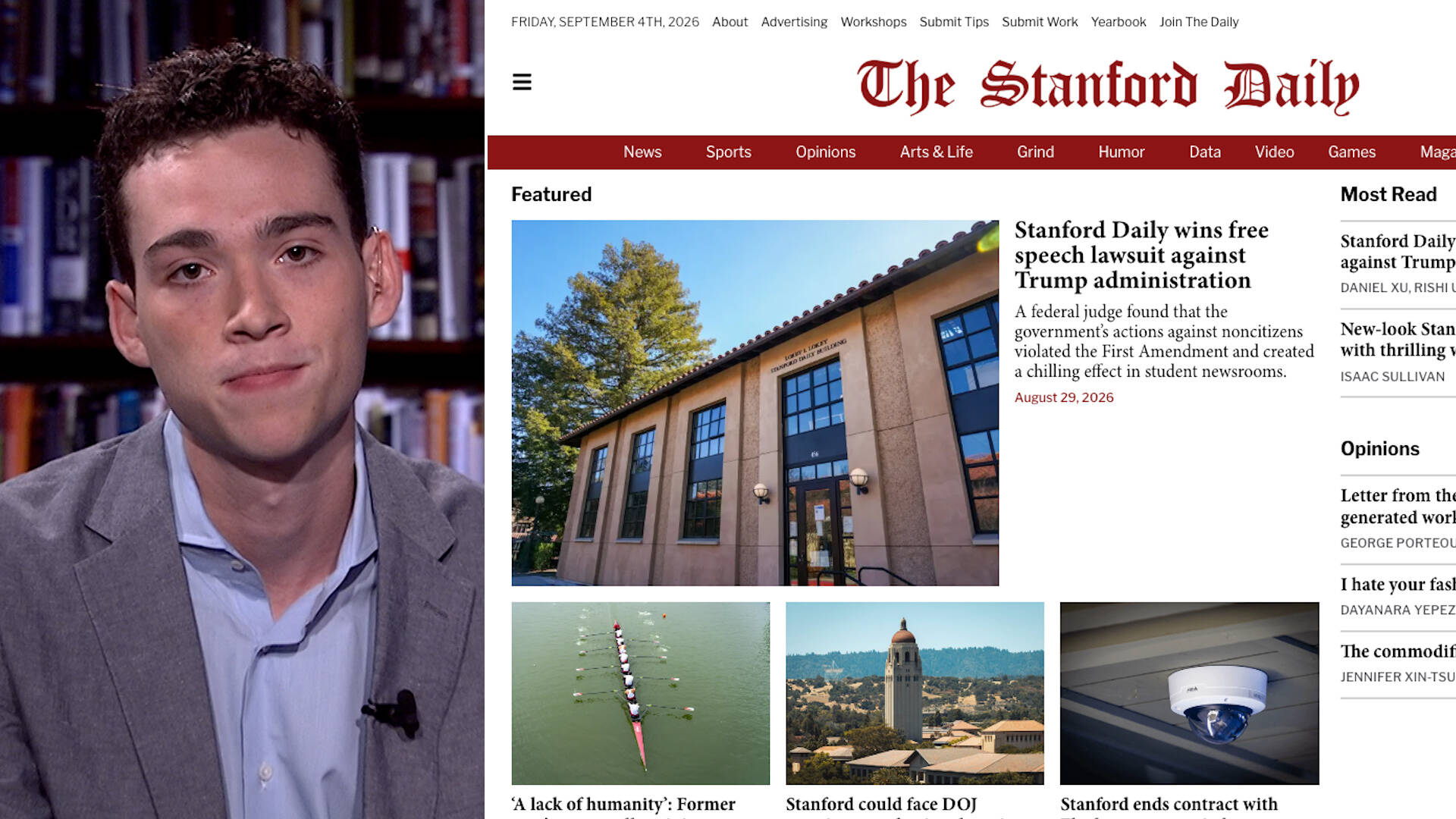
VideoFederal Judge Rules Trump Administration Violated Rights of International Students Over Pro-Palestinian Speech
A federal judge ruled the Trump administration violated international students' rights by threatening deportation over pro-Palestinian speech, in a suit brought by The Stanford Daily.

Democratic Primary Voters Ousted Israel-Aligned Incumbents in 2026, Citing Gaza Accountability
Democratic voters unseated establishment incumbents in 2026 primaries after the party sidelined Palestinian American speakers at its 2024 convention, new reporting shows.