
Trump Administration Sanctions Entire International Criminal Court, Hours After Judge Who Led Gaza Genocide Inquiry Wins Nobel Prize
War crimes prosecutor Reed Brody says the sanctions, which bar U.S. banks and firms from dealing with the court, function as "an insurance policy against accountability" for Israel and the United States.
Source: Democracy Now! · published October 15, 2026
The announcement came within hours of the Nobel Committee naming its 2026 Peace Prize winner: Navi Pillay, the South African jurist who led the United Nations commission of inquiry that found Israel had committed genocide in Gaza.
Secretary of State Marco Rubio used the occasion to unveil sweeping new sanctions against the International Criminal Court itself, not just individual judges and prosecutors who had already been targeted in earlier rounds.
"Today the United States is sanctioning the International Criminal Court. We will ban transactions with this rogue court, cutting off their resources and crippling their ability to operate against us," Rubio said.
The sanctions bar U.S.-based banks, insurers, and companies from any transaction with the court, a measure war crimes prosecutor Reed Brody, speaking on Democracy Now!, described as a move that "basically prevents American or U.S.-based banks, insurance companies, any company from transacting with the court."
From individual judges to the whole institution
The Trump administration has been escalating pressure on the ICC since 2024, when the court issued arrest warrants for Israeli Prime Minister Benjamin Netanyahu and former Defense Minister Yoav Gallant over the conduct of the Gaza war. Until Friday, that pressure had taken the form of sanctions on individual prosecutors and judges.
"Up until now, the court has — the Trump administration has sanctioned the prosecutors, individual judges, but this is an attack on the entire court," Brody said, calling it "an existential attack on the court."
Brody was blunt about the motive he sees behind the timing and the scope.
"This is really an insurance policy against accountability for crimes that the United States and its ally Israel are committing in plain sight," Brody said.
The Nobel juxtaposition
Pillay, who chaired the UN commission of inquiry on Gaza, called the timing of the sanctions "curious" and said it could not be coincidental given how openly U.S. officials had been threatening the court. She said she traveled from Nuremberg to The Hague to meet ICC staff "to show solidarity for their work in promoting international criminal justice and to protect those who have already been sanctioned."
Rubio framed the sanctions as protecting Americans from a "fake" court with no jurisdiction over U.S. citizens, and warned that allied states reliant on U.S. military support should "rein in" the ICC or face a continued American "campaign to dismantle" it.
Brody noted that non-American firms often go further than the sanctions require. "Non-American companies tend to overcompl[y]," he said, meaning the practical reach of the U.S. measures could extend well beyond American institutions, deepening the court's isolation at the same moment it faces outstanding warrants against sitting Israeli leadership over Gaza.
Sources & Documentation
Related Coverage

Senate Resolution on American Deaths in Israeli Custody and Operations Fails, 47-50
Senate Resolution 852, demanding State Department accounting for nine Americans killed by Israeli forces, failed 47-50 late Tuesday.
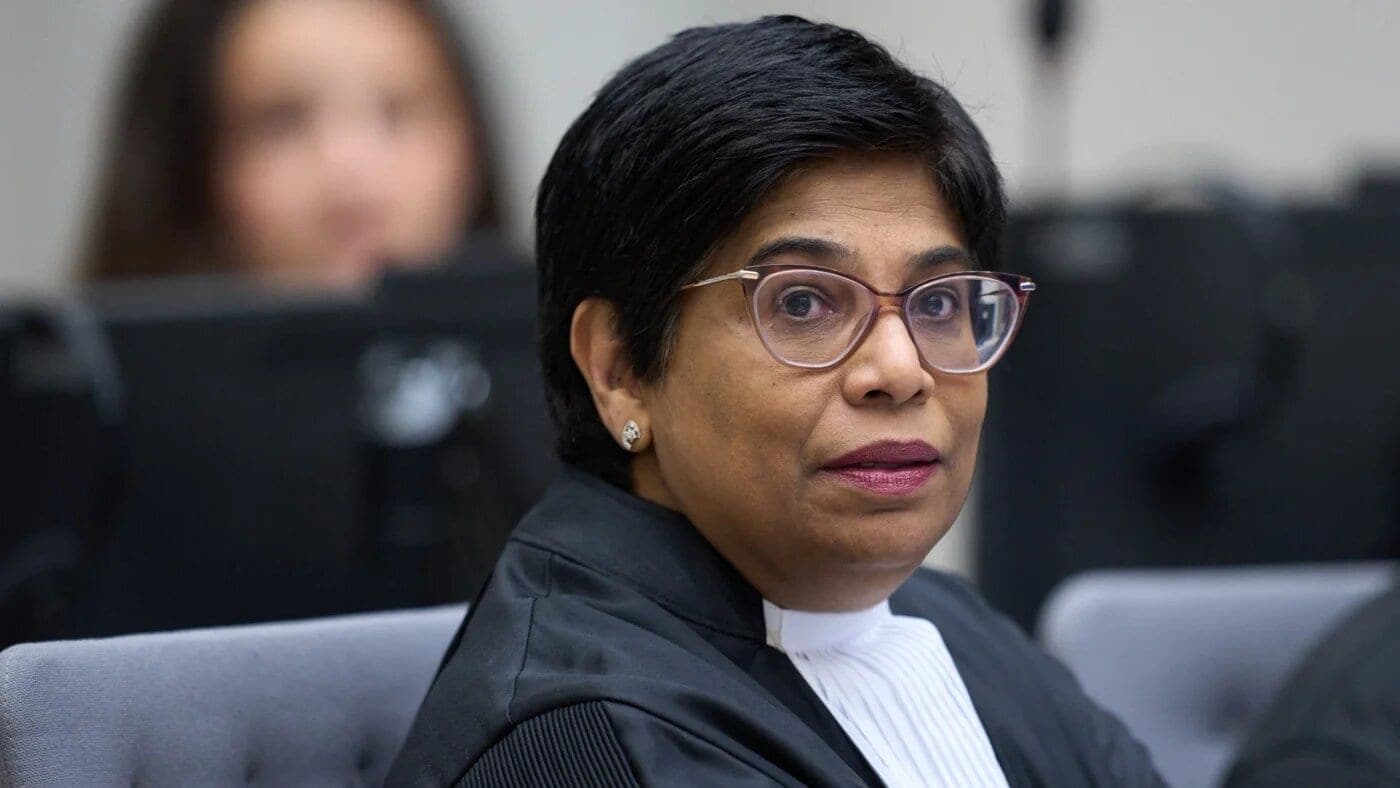
ICC Deputy Prosecutor Says Netanyahu Warrant Stands, No Withdrawal Steps Taken Despite US Sanctions
ICC Deputy Prosecutor Nazhat Shameem Khan says no steps have been taken to withdraw Netanyahu's arrest warrant despite US sanctions on court leadership.

Tlaib Calls for Arrest of Israeli Officer Sean Glass Over Hind Rajab Killing, Citing DOJ Filing
Rep. Rashida Tlaib demanded the arrest of Sean Glass, an Israeli commander accused of ordering fire on Hind Rajab's car, after a DOJ filing placed him in the US.