New Book Traces Arms-Industry Profits From Gaza and Yemen Through Corrupt Deals and Government Ties
Shadow World Investigations' Making a Killing follows the money from Israeli strikes in Gaza and the Saudi-led war in Yemen into arms-industry boardrooms and government backrooms.
Source: Middle East Eye · published October 5, 2026
A message arrived on Ahmed Alnaouq's phone from a friend in Gaza: "Airstrike. Everyone killed." Three generations of his family had died in a single Israeli strike on their home. That loss, he says in a new book, became the start of an investigation into who profited from it.
Alnaouq's testimony anchors Making a Killing: How the West Profits from Slaughter in Gaza and Yemen, due out in November from Shadow World Investigations, the arms-corruption research group founded by Andrew Feinstein. The book is co-authored by Feinstein, Ruth Rohde and Jack Cinamon.
"Israel thought that killing my family would silence me, that it would break me," Alnaouq says in the book. "But they could not have anticipated that this would give my life a new purpose... to find out who murdered my family, who profited from the murder of my family."
The project began in 2017 as an account of the Yemen war. The authors added Gaza after October 2023, tracing what they describe as parallel supply chains of Western-made weapons feeding both conflicts.
Yemen's documented toll, Gaza's new chapter
Alongside Alnaouq, the book draws on the founders of Mwatana for Human Rights, Radhya al-Mutawakel and Abdulrasheed al-Faqih, whose Yemen-based organization has spent years documenting civilian casualties that the authors say go unrecorded by international and regional media.
The book situates both wars inside a decades-old relationship between Western arms manufacturers, their governments and Gulf buyers. It revisits the Al-Yamamah deal, the largest arms contract in British history, signed between Saudi Arabia and the government of Margaret Thatcher. Public inquiries and prior reporting have documented allegations that up to £6bn ($7.94bn) moved as bribes and gifts to Saudi royals, intermediaries and others, including Thatcher's own son, channeled through the company now known as BAE Systems, Britain's largest weapons manufacturer.
The authors cite a statistic that arms deals make up roughly half a percent of global trade but account for an estimated 40 percent of corruption cases worldwide, a figure they attribute to their own research rather than an independent audit.
'An open plan office,' not a revolving door
The book argues that the familiar term "revolving door," used to describe the movement of officials between government and defense contractors, understates how embedded arms firms are inside the state. One former British foreign secretary is quoted in the book describing BAE Systems as having "the key to 10 Downing Street's garden door."
The authors frame this not as institutional failure but as design: opaque contracts, security classifications and taxpayer money combine to let profit accumulate while foreign policy bends around it.
"The arms trade is the backbone of state power under US hegemony," the authors write, naming Israel and Saudi Arabia as the two poles through which that power is maintained in the Middle East.
The book does not claim to resolve Alnaouq's question of who, precisely, profited from the strike that killed his family. Its answer instead is structural: a global weapons economy in which Gaza and Yemen are not separate tragedies but connected ledgers, kept by the same firms and underwritten by the same governments.
Further Documentation
Sources & Documentation
- Making a Killing: Who profits from slaughter in Gaza and Yemen? — Middle East Eye
Related Coverage

Labour Friends of Israel's Board Is Mostly Non-Labour, Exempting It From Donor Disclosure
LFI's board is majority non-Labour, letting it dodge UK donor disclosure rules even as it funds MP trips to Israel and lobbies against arms embargoes.

Kraft Family Foundation Tax Filings Show Hundreds of Thousands to IDF-Linked Charities as Billionaire Pledges $2 Million to Palestinians
Tax filings show Robert Kraft's foundation gave hundreds of thousands to Friends of the IDF, AIPAC's super PAC, and Israel-advocacy groups while he pledges $2 million 'for Palestinians.'
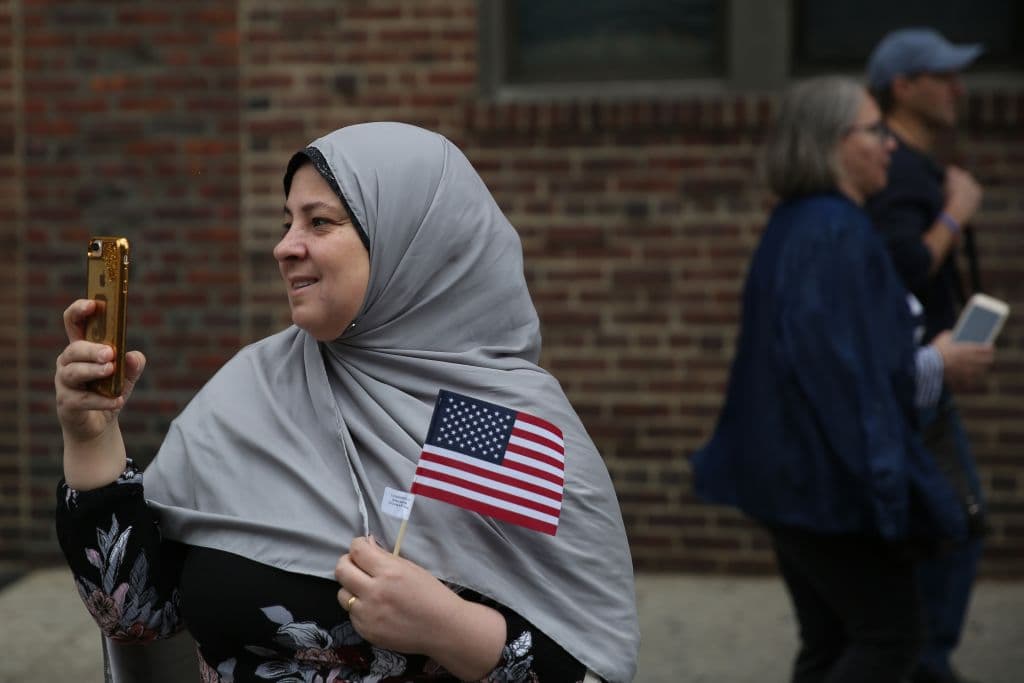
Arab American Candidates Win Two 2026 Primaries With Backing From New Super PAC Built to Counter AIPAC
Two Egyptian American candidates critical of Israel policy won 2026 Democratic primaries backed by a new super PAC built to counter AIPAC's spending in congressional races.