
Netanyahu Calls UK 'Islamic Republic of Britain' as Israeli Officials, Trump Allies Attack UK Settlement Trade Ban
After Foreign Secretary Ed Miliband announced a trade ban on Israeli settlement goods, Israeli leaders and British right-wing media recast the policy as capitulation to Muslim voters rather than a response to the ICJ's 2024 ruling on occupation.
Source: Middle East Eye · published September 18, 2026
Israeli Prime Minister Benjamin Netanyahu, who is wanted by the International Criminal Court on war crimes charges, called Britain the "Islamic Republic of Britain" last month and said it could become "the first Islamic republic to get a nuclear weapon," according to remarks reported by Middle East Eye. The comment came weeks before UK Foreign Secretary Ed Miliband announced a trade ban on goods produced in Israeli settlements, a measure Netanyahu's government had lobbied hard against.
Miliband unveiled the ban roughly seven weeks into his tenure as foreign secretary. The policy drew in eleven other middle-income countries, including France and Canada, and was widely described as Britain's most consequential foreign policy move on the Israeli-Palestinian conflict in years. It followed the International Court of Justice's July 2024 advisory opinion, which found Israel's occupation of Palestinian territory unlawful and placed states under an obligation not to assist in maintaining it, a finding the UK government had largely declined to act on for two years.
The night before the announcement, Israeli Finance Minister Bezalel Smotrich issued his own warning, saying, according to Middle East Eye:
"We will not be a trampled doormat of an antisemitic government, in a country conquered by radical Islam."
Neither Netanyahu nor Smotrich, according to the reporting, engaged with the substance of the trade measures, the ICJ ruling, or the legal case for restricting settlement commerce. Instead, both framed the ban as evidence that Britain had been captured by Islamist influence.
That framing did not stay confined to Israeli officials. Middle East Eye's reporting describes it converging with attacks from Kemi Badenoch's Conservative Party, Nigel Farage's Reform UK, and Britain's right-wing press, which the outlet says reaches roughly 80 percent of newspaper readers in the country, though no specific circulation data is cited. The narrative was also amplified, according to the reporting, by figures in the Trump administration, who joined in presenting the Labour government as beholden to British Muslim political pressure rather than acting on international law.
A parallel thread in the coverage ties the accusations to Andy Burnham, the Manchester mayor and a prominent Labour figure sometimes discussed as a future leadership contender, whom critics accused of courting Muslim voters ahead of any future bid. Middle East Eye's account links that domestic political speculation to the international backlash against Miliband's sanctions, describing a single narrative deployed across Israeli government statements, American political allies and British opposition figures alike.
The reporting cites polling showing that a majority of the British public, including a narrow majority of Conservative voters, supported the settlement sanctions, though the specific surveys are not named in the source material. Occupation Watch has not independently verified those polling figures or the readership statistic cited for the British right-wing press.
What is documented is the sequence: an ICJ ruling establishing legal obligations on third states, a British trade measure responding to it, and a coordinated political response from Israeli officials and their allies that did not contest the measure's legal basis but instead recast it as a story about domestic Muslim political influence.
Sources & Documentation
- UK settlements ban: How conspiracy theory accusing Burnham of courting 'Islamist voters' went global — Middle East EyePrimary source for quotes attributed to Netanyahu and Smotrich and the narrative timeline
Related Coverage

AIPAC and Israel Allies Foundation Build Parliamentary Footholds in Cyprus and Greece as Local Parties Object
AIPAC and the Israel Allies Foundation launched parliamentary ties in Cyprus and Greece in October, drawing objections from Volt Cyprus and Akel over foreign lobby access.
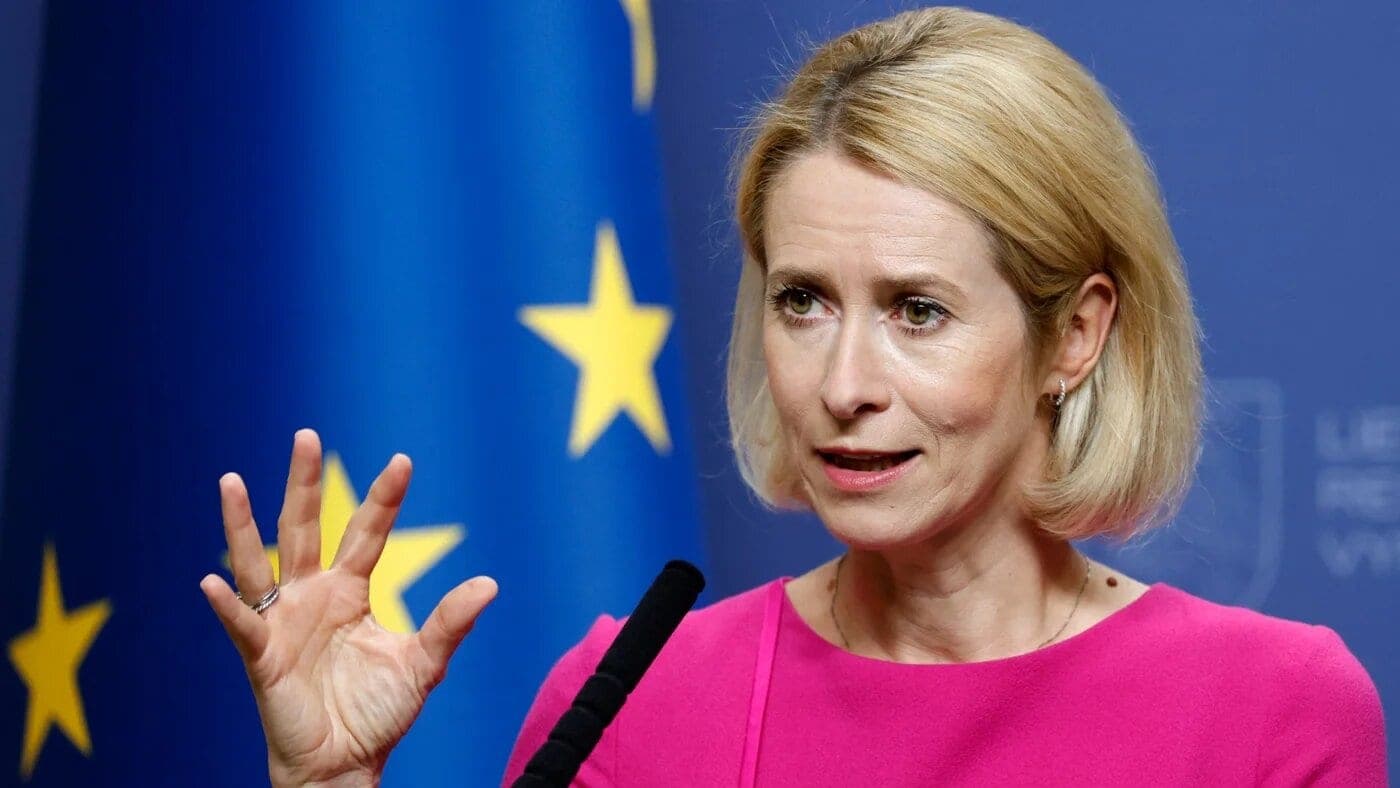
EU's Kallas Says Bloc Should Treat Israeli Settlements Like Russian-Occupied Crimea
EU foreign policy chief Kaja Kallas says Brussels should ban settlement trade the way it banned Crimean goods, as member states push for a bloc-wide measure.

Palestinian Commission Tallies 9,518 Israeli Demolition and Stop-Work Notices in West Bank Since 2015
A Palestinian commission documents 9,518 demolition and stop-work notices since 2015; UN data adds nearly 12,000 structures demolished and 18,000 displaced.