
Israeli Army Reservists Doubling as Settlers Blamed in West Bank Shootings, Land Grabs Near Ramallah
In Kobar and Deir Jarir, Palestinians describe settlers who wear army uniforms, fire on farmers, and answer to no one, as military call-up records and a rights group's investigation show the line between settler and soldier has effectively dissolved.
Source: Al Jazeera English · published September 11, 2026
Bassema Khader, 63, recognized the man even with a mask on. She had seen him before, in the al-Daak area near Kobar, northwest of Ramallah, wearing an army uniform he did not earn.
"A settler known as 'Ghazal' has been coming to the area for a long time, wearing an army uniform to intimidate people," Khader told Al Jazeera. She said he showed up almost daily, firing shots, stealing sheep and solar panels, and demanding car keys from residents while claiming military authority. When she confronted him as he tried to take her sheep, he told her, in her account, to wait for the Israeli Border Police. They arrived and helped him load the animals and drive them to the settlement.
"The goal is to steal, to frighten and terrorise people, to stop them from reaching their land, and ultimately to empty the al-Daak area," Khader said.
Thirty kilometers away in Deir Jarir, Mohammad Majdi Abu Makho was praying near the village entrance on December 25, 2025, when a settler's vehicle ran him over and he was pepper-sprayed. "For me, the land is life," he told Al Jazeera. "What does a farmer, or anyone, have other than their land? It gives us a sense of belonging. It is our identity."
The Israeli military confirmed afterward that the driver was an army reservist and said he had also opened fire inside Deir Jarir earlier the same day while out of uniform. His weapon was confiscated and his reserve service suspended pending investigation, according to the military's own account.
A killing, two accounts
On April 11, 2026, 23-year-old Ali Majed Hamadneh was killed in Deir Jarir. The Israeli military said that day that forces had been sent after reports of stone-throwing, and that a reserve soldier "carried out a suspect arrest procedure that included firing into the air and then firing at one of the stone-throwers," who was later found to have died.
B'Tselem's investigation, released two days later, told a different story. It found that settlers from the Oranim Farm outpost had brought sheep onto Deir Jarir farmland; when residents tried to drive the animals off, more settlers arrived, including one on reserve duty in a military Regional Defence Battalion.
"One of them, a soldier on reserve duty in a military Regional Defence Battalion, launched a massive volley of shots and the residents began to flee. One of the bullets hit Ali Hamadneh, 23, in the back while he was running away and posed no danger."
B'Tselem said no military forces were present at the scene other than the armed settler himself. The organization counts at least 35 Palestinians killed by settler militias since October 2023.
The reserve call-up
The structural blending of settler and soldier accelerated after the Gaza war began. Haaretz reported on August 9 that the Israeli military had called up roughly 5,500 West Bank settlers as reservists, assigning them to regional defence battalions. Soldiers who served alongside them told Haaretz the battalions often operate with broad autonomy, sometimes ignoring regular commanders.
One commander was quoted: "They tell you quite openly that they're the lords of the land here, and that's really how it feels on the ground." Another reserve commander said: "Everything else was about dealing with Jews looking for provocations."
Sarah Sanbar, acting Israel and Palestine researcher at Human Rights Watch, told Al Jazeera the reserve call-ups and new rapid-response squads with special police powers amount to "arming settlers in the West Bank and militarising them at unprecedented levels."
The Hamadneh case remains disputed between the Israeli military's account and B'Tselem's findings. No independent forensic or judicial review of the shooting has been made public.
Sources & Documentation
- Settlers, soldiers, and Israeli impunity in the West Bank — Al Jazeera English
Related Coverage

Netanyahu Vows to 'Destroy' Hebron Neighborhood, Cites Jenin Expulsion Model
Netanyahu announced plans to raze a Hebron neighborhood and expel residents, citing the 2025 Jenin camp expulsions as the model, after a checkpoint attack killed two soldiers.
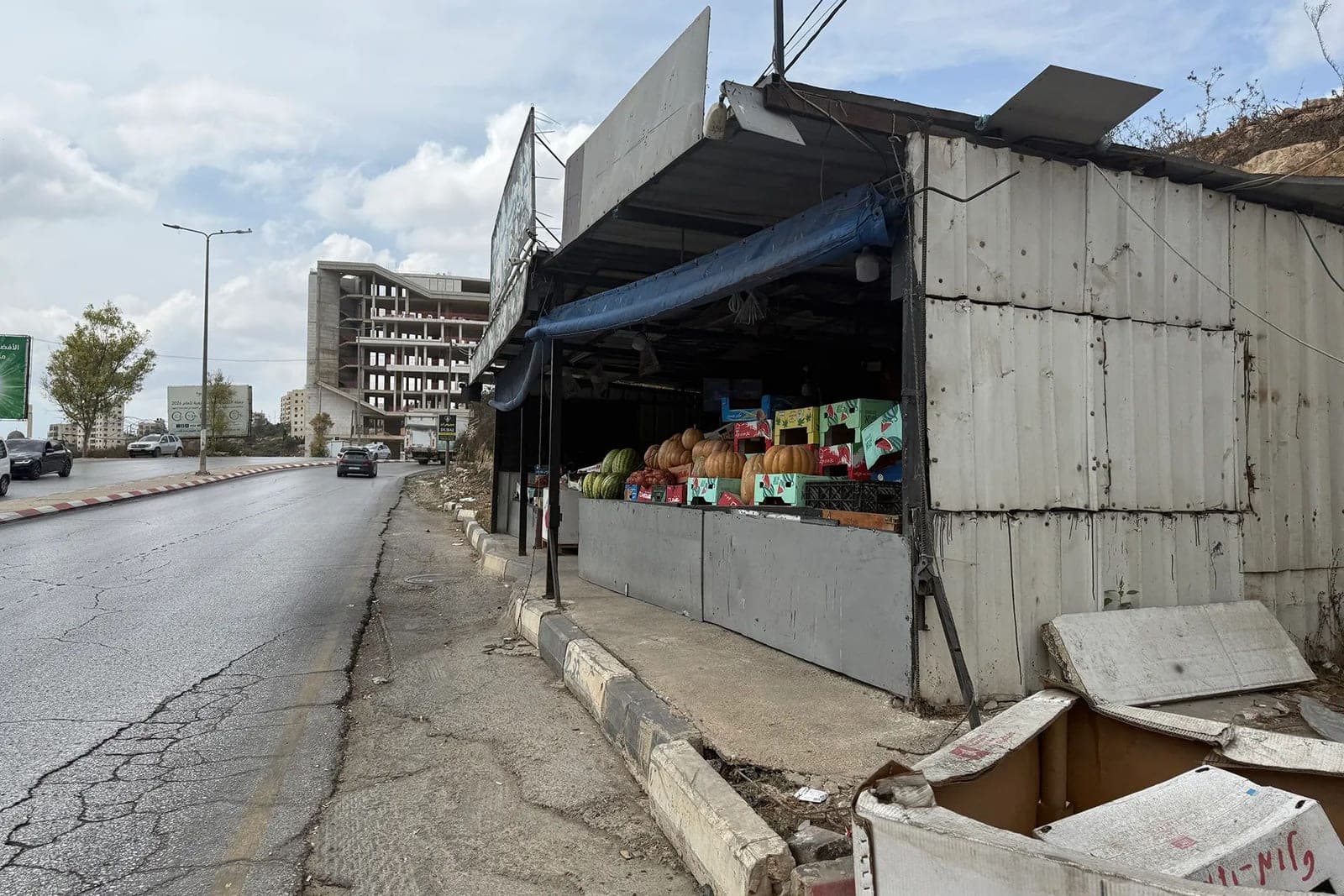
Israeli Military Prepares to Reopen Route 463, Threatening to Encircle Ramallah's Western Villages
Israel is preparing to reopen settler Route 463 near Ramallah, a plan Palestinian officials say would isolate eight villages and 250,000 residents.
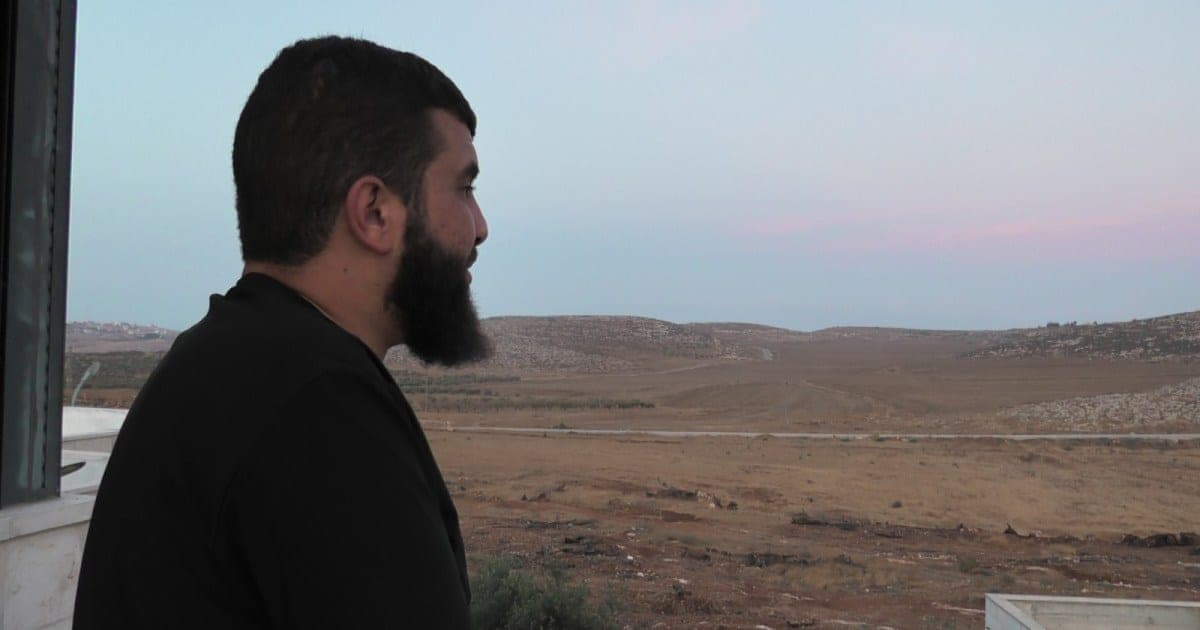
Israeli 'Blue Line Team' Redraws Maps, Reclassifying West Bank Land Before Settlers Move In
Israel's Blue Line Team redrew boundaries near four West Bank villages, reclassifying nearly 50 acres as 'state land' ahead of settlement expansion, a Palestinian family says.