
Israel Demolishes 80 Homes in Negev Village of Al-Dhahiya, Displacing About 400 People Weeks Before Election
The demolition came a day after a Beersheba court rejected a petition to postpone it, as officials and Arab lawmakers accuse National Security Minister Itamar Ben-Gvir of using home demolitions to campaign ahead of Israel's Oct. 27 vote.
Source: Middle East Monitor · published October 12, 2026
Teams from the Israel Land Authority, backed by reinforced police under National Security Minister Itamar Ben-Gvir's ministry, demolished around 80 homes on Monday in Al-Dhahiya, an unrecognized Palestinian village north of Rahat in the Negev, according to Israel's public broadcaster KAN. Roughly 400 people had been living in the homes.
The demolitions came a day after the Beersheba District Court rejected a petition seeking to postpone them, KAN reported. Israeli authorities justified the action on the grounds that the structures were "built without permits," a designation residents and Arab officials dispute given that Al-Dhahiya, like dozens of other Bedouin villages in the Negev, is not recognized by the state and has no formal planning process through which residents could obtain permits in the first place.
The demolitions fit a pattern Ben-Gvir has publicly amplified in recent weeks. Last Tuesday he took part in the demolition of a five-story building housing 70 Palestinians in the At-Tur neighborhood of occupied East Jerusalem, an action the Jerusalem Governorate called "the electoral exploitation of Jerusalem at the expense of Palestinians."
The Joint List, an alliance of three Arab parties, denounced the Al-Dhahiya demolitions as a continuation of successive Israeli governments' policies against Negev villages.
"The demolitions were a continuation of the successive Israeli governments' policies of demolition, uprooting and displacement against residents of Arab villages in the Negev," the Joint List said in a statement.
Hassan al-Nasasra, deputy mayor of Rahat, went further, calling the action political theater rather than law enforcement. "The demolitions are not an implementation of the law in any way, but merely election propaganda for the racist Ben-Gvir and his group," he said, according to KAN.
United Arab List leader Mansour Abbas sent an urgent letter to Attorney General Gali Baharav-Miara demanding an immediate freeze on demolition orders until after the Oct. 27 election and the formation of a new government. Abbas warned that Ben-Gvir's public boasting about his role in demolitions "undermines the integrity of the election and the neutrality of law enforcement agencies," and said residents of unrecognized Negev villages cannot obtain building permits because of a planning failure for which, he said, the state itself is responsible.
Scale of the policy
Dozens of Negev villages remain unrecognized by Israeli authorities, who classify their homes as unauthorized and withhold connections to water, electricity and roads, along with schools and clinics. Last year the daily Yedioth Ahronoth reported that demolition orders in the region had risen by as much as 400 percent since the start of that year, a trend Israeli rights organizations described as discriminatory and targeted at the Bedouin community. Palestinian Bedouin tribes have lived in the Negev for centuries, predating Israel's establishment in 1948.
Sources & Documentation
- Israel demolishes 80 homes in Palestinian village in Negev, displaces around 400 people — Middle East MonitorPrimary source, citing Israel's public broadcaster KAN
Related Coverage
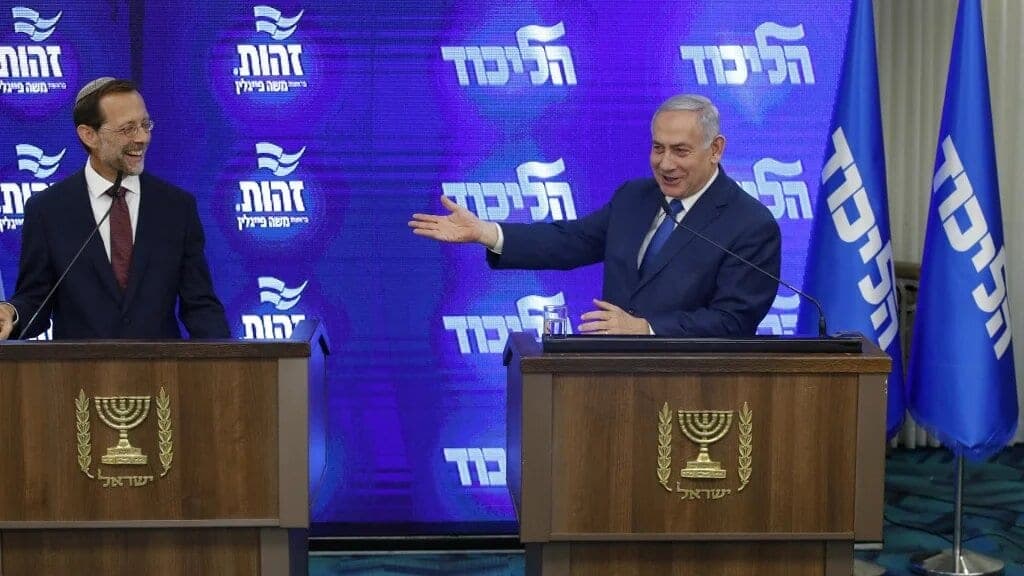
Israeli Election Bus Ads Read 'Occupation. Expulsion. Settlement.' — Candidate Feiglin Defends Slogan
Israeli politician Moshe Feiglin runs campaign buses reading 'Occupation. Expulsion. Settlement,' telling the Jerusalem Post he wants Gaza emptied of Palestinians, including children.
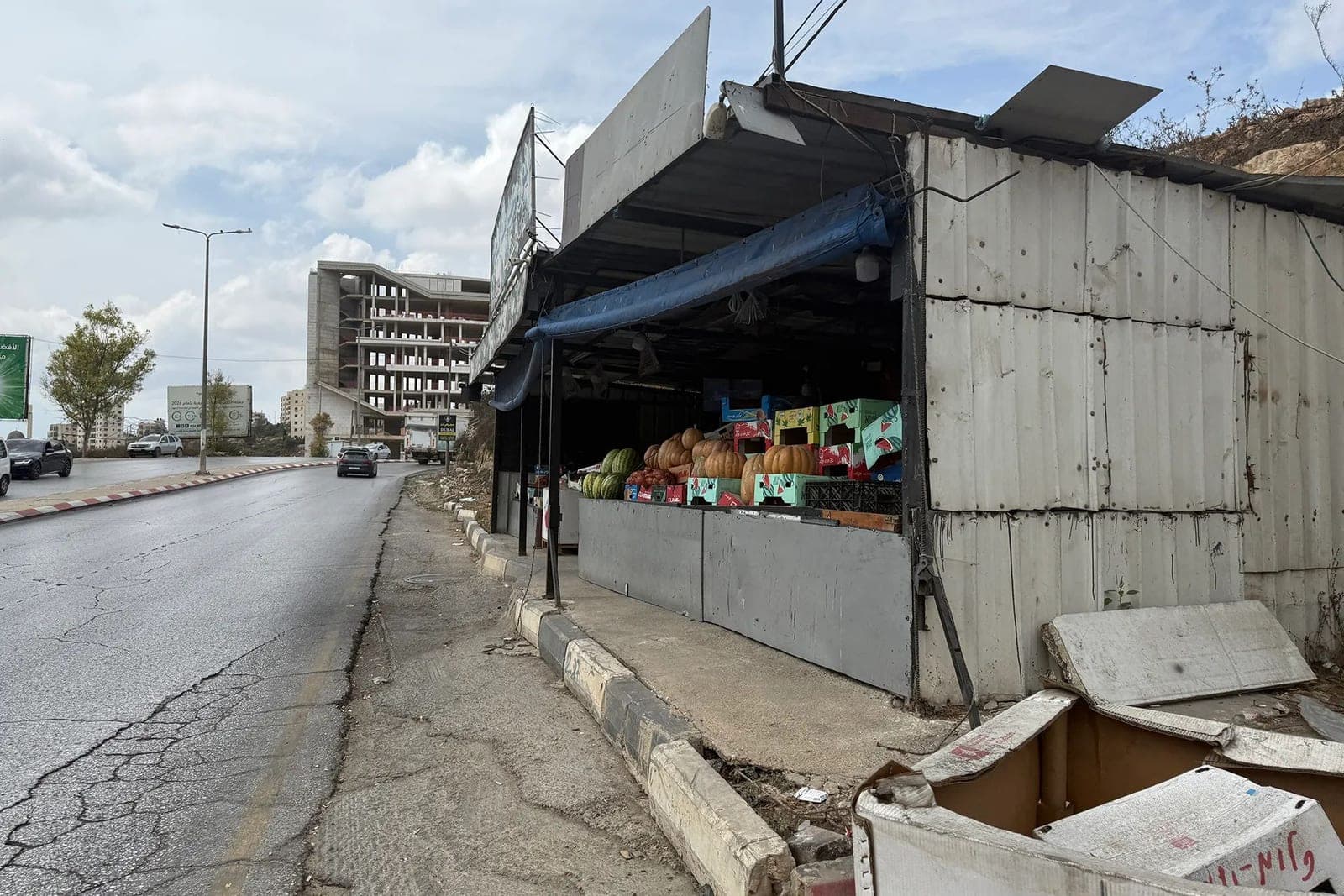
Israeli Military Prepares to Reopen Route 463, Threatening to Encircle Ramallah's Western Villages
Israel is preparing to reopen settler Route 463 near Ramallah, a plan Palestinian officials say would isolate eight villages and 250,000 residents.

Bar-Ilan University Lecturer Indicted Over Alleged Plan to Recruit 72 Attackers for Mass Killing and Expulsion of Palestinians
An Israeli indictment accuses a Bar-Ilan University lecturer of plotting coordinated attacks with 72 recruits to kill and expel Palestinians, including an attempted blackmail of a far-right politician.