
Gaza Journalist Plestia Alaqad: Colleague Who Taught Us to Stay Safe Was Killed by Israeli Tank Fire
In a first-person account three years into the war, Alaqad names the journalists she worked beside in Gaza, including one killed after training colleagues on how to survive the job.
Source: The New Arab · published October 21, 2026
Plestia Alaqad was on the ground in Gaza for the first 45 days of the war, reporting alongside two colleagues, Hatem Rawagh and Mohammed Abu Safia, both fathers who weighed every assignment against the risk to their families. In a first-person essay published this week, Alaqad describes what it meant to wear a press vest and helmet after October 7, 2023: not protection, but exposure.
"It always felt like the only certainty in Gaza was uncertainty," she writes, describing watching colleagues killed one after another and never knowing whose turn was next.
The essay centers on Belal Jadallah, founder of Press House Palestine, whom Alaqad describes as a father figure to Gaza's journalists and the person who trained her and others on safety protocol and terminology. Alaqad says she was with Hatem Rawagh when he relayed the news of Jadallah's death.
"Belal got targeted with an Israeli tank shell, or an airstrike hit his car."
Alaqad writes that if the man who taught journalists how to protect themselves could not be protected, the vest and helmet were never going to be enough. She also recalls Mohammed Abu Safia's fear that his profession would put his family at risk, a fear shaped in part by what happened to Al Jazeera's Wael Dahdouh, whose family was killed in an Israeli airstrike earlier in the war while he continued reporting.
Alaqad cites figures from the Committee to Protect Journalists: 247 journalists killed, 174 injured, and 118 imprisoned since the war began, numbers CPJ has tracked as among the deadliest periods for press workers in any conflict it has documented. She also cites broader casualty and displacement figures, more than 74,000 Palestinians killed including over 21,000 children, nearly 2 million people displaced, and 80 percent of Gaza's infrastructure destroyed. Those tolls are not independently sourced within her essay and their precision is disputed, though they track with estimates that have circulated from Gaza health authorities and UN agencies over the course of the war.
Rawagh and Abu Safia are still in Gaza and still reporting, according to Alaqad. She says both describe the work simply as duty, though she adds that three years in, bearing witness has not been enough on its own.
"Knowledge without accountability and justice means nothing."
The essay is published alongside video of Alaqad's wartime reporting from Gaza. Alaqad, now reporting from outside the territory, writes that she had once hoped to tell the world how Palestinians build and love life. Instead, she says, she has spent three years reporting how journalists who tried to do the same were killed.
Sources & Documentation
- Reporting on Gaza is our duty, but who protects us? — The New ArabPrimary first-person source
Related Coverage
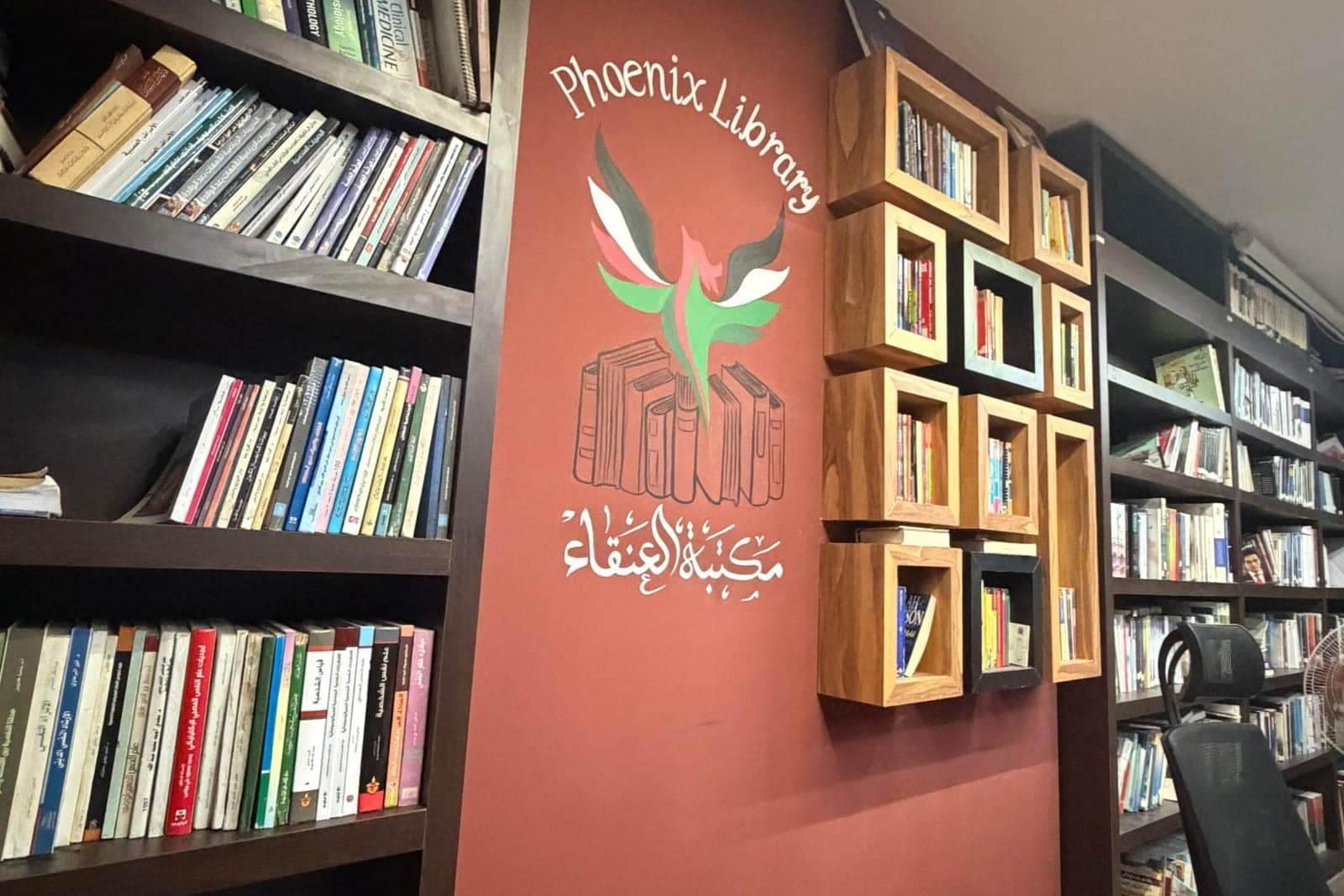
Gaza Residents Dig Books From Library Rubble After Israeli Strikes Destroyed Dozens of Collections
After Israeli strikes destroyed dozens of Gaza's libraries, residents are digging books from rubble and rebuilding reading stalls in tents.
 Video
UN and CNN Found Gunfire Killed Dozens at Gaza Aid Convoy; Advocacy Group Says Death Toll Mostly From Stampede
A UN inquiry and CNN found gunfire killed dozens at a Gaza aid convoy in February 2024; a pro-Israel group disputes the toll, citing a stampede.
 Video
Gaza Journalist Akram al-Satarri: IDF Killed Man in Khan Younis Camp Hours Before Interview, Despite Ceasefire
Gaza journalist Akram al-Satarri tells Democracy Now! Israeli forces killed a 60-year-old man in Khan Younis hours before the interview, despite a year-old ceasefire.