
Gaza Girl, 6, Has the Bones of a Toddler After Israel's Siege-Induced Starvation
Doctors say Amira Rashid's body has suffered permanent damage from malnutrition, one case among tens of thousands documented since the UN declared famine in Gaza City.
Source: Middle East Eye · published August 19, 2026
Amira Rashid is six years old. Her bones tell doctors she is two.
The Gaza City girl should be starting first grade this month. Instead she lies on a mattress in her family's Sabra neighborhood home, too weak to walk, her arms bruised from IV lines, weighing just 12.5 kilograms and standing one meter tall, according to Middle East Eye reporting based on hospital records and interviews with her mother.
Doctors at Abdel Aziz al-Rantisi Children's Hospital diagnosed Amira with severe acute malnutrition in January 2025, after her mother, Aya Rashid, brought her in for chest pain. Testing showed stunting so severe that her bone age registered at roughly two years old. Physicians told the family the damage to her body is permanent and that her weight has stopped responding to treatment.
A famine confirmed, not alleged
The Rashid family stayed in northern Gaza throughout the war. In August 2025, the UN-backed Integrated Food Security Phase Classification formally declared famine conditions in Gaza City, the area where they lived. That classification is not a rhetorical flourish; it is the same technical famine-monitoring system used in crises from Somalia to South Sudan, and it requires specific thresholds of mortality, acute malnutrition, and food insecurity to be met.
Aya Rashid described running out of flour entirely, with none available in local markets, and surviving on barley bread with no food aid reaching her family. She is not alone. The IPC's August 2025 report projected that at least 132,000 children under five would suffer acute malnutrition through June 2026, and that roughly 55,500 pregnant or breastfeeding women would need urgent nutritional support.
The ceasefire hasn't reversed the damage
A ceasefire took effect in October 2025. Aya Rashid told MEE she hoped it would mean recovery for her daughter. It hasn't. Doctors have told her Amira's body is no longer absorbing nutrients properly despite having no underlying digestive disorder, and that treatment now likely requires evacuation abroad, something the family has not been able to arrange.
Beyond the physical toll, Aya describes a cognitive regression: Amira cannot read or write and mostly interacts with toddlers aged two and three, rather than children her own age.
The damage is not confined to children already born. Ten-month-old Amna Abu al-Hasani was delivered by emergency cesarean in her eighth month, weighing 1.2 kilograms, after her mother suffered malnutrition throughout the pregnancy. Amna was later diagnosed with an enlarged heart caused by weakened heart muscle and severe stunting. At 10 months, she weighs about 5.5 kilograms.
What this means
These cases are individual, but they are consistent with a famine declaration issued by the UN's own food-security monitoring body for the exact area where these families lived, under a blockade Israel has maintained and controlled access through since October 2023. Stunting and organ damage from malnutrition in early childhood are typically irreversible. That is the durable cost of the siege that outlasts any ceasefire announcement.
Further Documentation
Sources & Documentation
- Israel's starvation: 'I fear losing my little girl' to malnutrition, not to bombs — Middle East EyePrimary source with direct family and medical testimony
Related Coverage
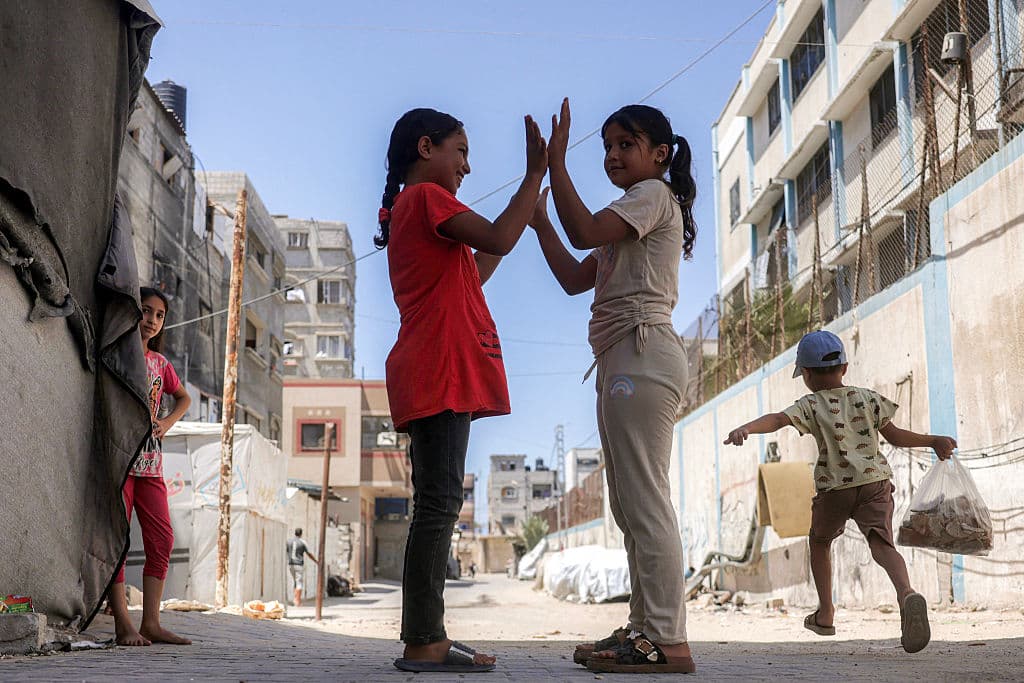
Israeli siege cut off water, electricity and sanitary pads for menstruating women in Gaza, aid workers and displaced women say
Displaced Palestinian women and aid workers describe menstrual health collapsing under Israel's siege, with water cut off, pads scarce, and hygiene supplies confiscated at the border.
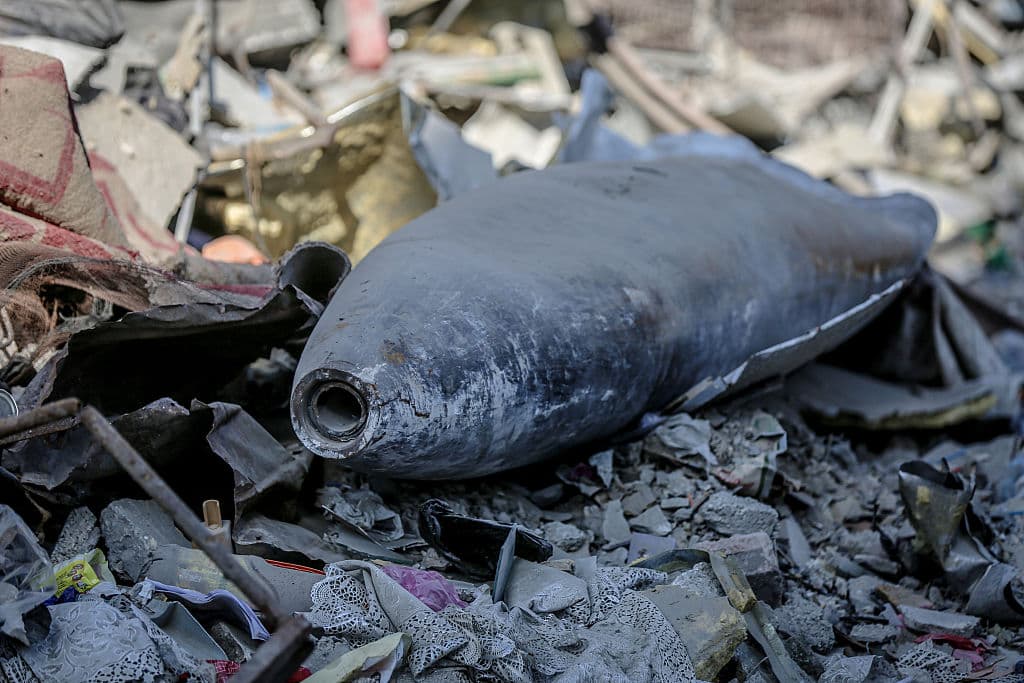
In Gaza, Families Bury Mixed Remains Years After Israeli Strikes Killed Them
Gaza families wait years to bury loved ones killed in Israeli strikes, as mass graves grow and a 15-person forensic team lacks DNA testing to identify remains.

Kushner Unveils $2.45bn Gaza 'Starter Plan,' Admits Board of Peace Faces 'Delays' After 11 Months
Jared Kushner unveiled a $2.45bn Gaza rebuilding plan and admitted delays, as aid officials say the Board of Peace enables Israeli obstruction and Israel holds most of Gaza.