
AIPAC Tells Members It Will Halt Direct Campaign Contributions After Midterm Losses Tied to Its Money
The lobby's October 21 letter to members describes a pivot to 'emerging political fundraising tools' as candidates who took its cash lost races, including Michigan's Senate contest.
Source: Consortium News · published November 7, 2026
Thirteen days before Tuesday's midterm elections, the American Israel Public Affairs Committee told its members it would stop endorsing candidates for national, state or local office and would no longer make direct contributions to their campaigns. The announcement, first reported by NPR, came in a letter to AIPAC members dated October 21.
The timing followed a string of races in which AIPAC-backed candidates lost. In Michigan's Democratic Senate primary, Haley Stevens ran with roughly $30 million in AIPAC-linked spending behind her and lost to Abdul El-Sayed. El-Sayed went on to defeat Republican Mike Rogers in the general election, 52 to 48 percent. Two days before that vote, Drop Site News reported that two members of Rogers' campaign staff, including his spokeswoman, were registered foreign agents working for Israel, a claim verifiable through public FARA filings.
On Election Day itself, President Donald Trump told Fox News the United States would end the $3.8 billion in annual aid it sends Israel, a figure tied to a decade-long commitment originating under the Clinton administration. "We were giving them 4 billion, but it gets cut off at the end of the year," Trump said, adding that Israel "doesn't need it."
According to NPR's reporting on AIPAC's member letter, the organization framed its shift not as retreat but recalibration:
"We will prioritize increasing direct, organized contributions from individual Americans to candidates, expanding upon our current efforts and maximizing the emerging political fundraising tools."
The letter also told members the 2028 cycle would "demand an even stronger commitment" to what it calls pro-Israel politics, and that AIPAC intends to keep backing lawmakers in both parties who support the U.S.-Israel relationship and oppose what it terms "anti-Israel legislation." An AIPAC spokesperson told NPR the group's members gave more than $90 million directly to candidates in the current cycle and that AIPAC's goal remains building support for that relationship.
What the record shows, and what is argument
The facts here are documented: the October 21 announcement, the Michigan outcome, the FARA registrations reported by Drop Site News, Trump's Election Day statement on aid, and the language of AIPAC's own letter as quoted by NPR.
What is not documented, and what belongs to opinion rather than filing, is the interpretation offered by Consortium News columnist Patrick Lawrence, who argues AIPAC's new "fundraising tools" and individual-donor strategy amount to a mechanism for the lobby to keep directing money into campaigns while appearing to have stepped back. AIPAC has not described its strategy in those terms, and no filing yet shows how the new tools will function in practice. That claim remains Lawrence's analysis, not an established fact.
What the public record does establish is a lobby adjusting its public posture after a cycle in which its money became, in at least one marquee race, a liability rather than an asset for the candidates it backed.
Sources & Documentation
- PATRICK LAWRENCE: Zionist Hide & Seek — Consortium NewsPrimary source, opinion column
- AIPAC says it will stop endorsing candidates and making direct campaign contributions — NPRCited within source for AIPAC member letter and spokesperson quotes
- Report on Mike Rogers campaign staff foreign agent registrations — Drop Site NewsCited within source regarding FARA registrations
Related Coverage
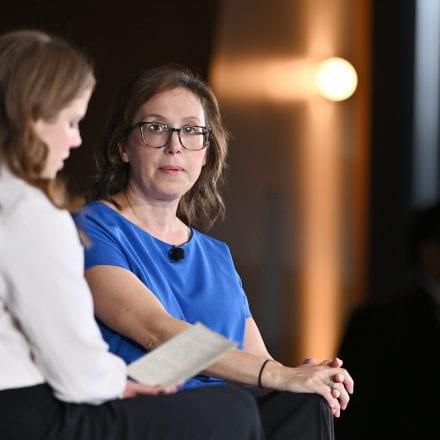
Pro-Palestine PACs Spent $14.4 Million This Cycle, AIPAC Still Outspent Them Six to One
New pro-Palestine super PACs spent $14.4 million and won almost every race, while AIPAC spent $84 million and $50 million more directly to candidates.
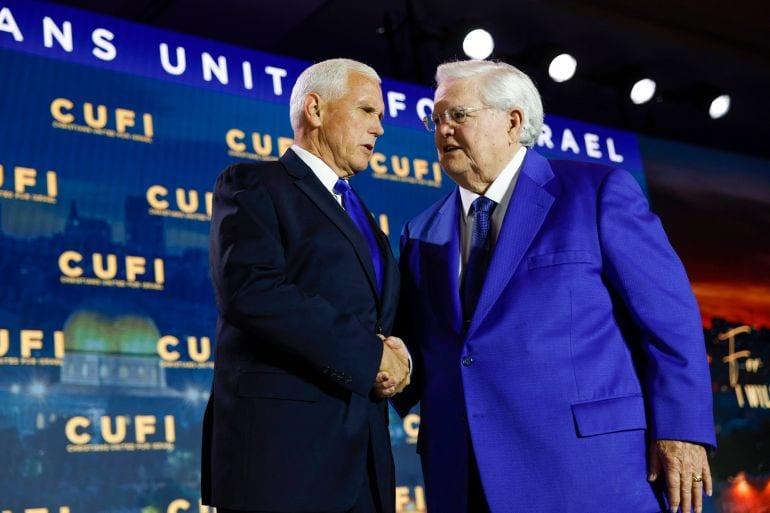
Congressional Bible Studies and $679,000 in Lobbying: How Christian Zionist Groups Built a Policy Pipeline on Israel
Filings, polling and sermons trace how Christian Zionist organizations lobby Congress, fund Israeli causes and shape US evangelical support for unconditional backing of Israel.
Labour Friends of Israel's Board Is Mostly Non-Labour, Exempting It From Donor Disclosure
LFI's board is majority non-Labour, letting it dodge UK donor disclosure rules even as it funds MP trips to Israel and lobbies against arms embargoes.