AIPAC Drops Candidate Endorsements and Direct PAC Donations, Shifts to Super PAC and Individual Giving
The lobby group tells supporters it will stop direct contributions and earmarking, even as its $60m-plus Super PAC and bundled individual donations continue unrestricted.
Source: Middle East Eye · published October 22, 2026
The American Israel Public Affairs Committee told supporters this week that it is abandoning one of its signature tools: the public candidate endorsement.
In an email blast sent Wednesday, AIPAC said it will no longer make direct PAC contributions, earmark donations to specific candidates, or issue public endorsements. As a registered PAC, AIPAC had been capped at $5,000 per candidate per election cycle under federal law, a limit that applies to direct giving but not to the outside spending vehicles the group has built around it.
"Endorsements, direct PAC contributions, and earmarking will no longer be part of our approach so we can expand individual giving and utilize new tools to help our friends win," the statement said.
The group framed the move as a strategic evolution, saying it would instead focus on "direct, organized contributions from individual Americans to candidates" and unspecified "emerging political fundraising tools."
What does not change is AIPAC's Super PAC, the United Democracy Project. UDP, which faces no contribution limits, spent more than $60m attempting to shape the 2024 election cycle, according to Middle East Eye's reporting, and will continue operating since its spending is not classified as "direct" giving under federal rules. AIPAC has also used so-called shell PACs during election seasons, dissolving them afterward and transferring their funds into UDP, per the same reporting.
Waleed Shahid, a former spokesperson for the progressive group Justice Democrats, wrote on X that the shift may blunt the political force of "rejecting AIPAC money" as a campaign slogan, noting that AIPAC's own direct PAC giving this cycle totaled roughly $3m, compared to an estimated $90m funneled through individual donors it organizes.
The announcement lands three years into Israel's war in Gaza and amid polling showing softening US public support for Israel, including rising criticism from corners of the political right that have historically backed AIPAC's agenda. Figures like Tucker Carlson, Nick Fuentes, and former Congresswoman Marjorie Taylor Greene have broken publicly with Israel-aligned orthodoxy. On the left, Senator Bernie Sanders has pointed to AIPAC's reported spending against Michigan Senate candidate Abdul El-Sayed, writing on X that AIPAC is spending as much as $9 million against him and tying the group to US support for the war in Gaza and pressure toward conflict with Iran.
AIPAC Tracker, an independent project that publishes candidate-by-candidate totals of pro-Israel political money, has made that spending increasingly visible to voters, a dynamic AIPAC's new approach may be designed to navigate rather than reverse.
The restructuring does not reduce the total money in play. It relocates it into channels, individual bundling and unlimited Super PAC spending, that are harder to label with a single endorsement and harder for critics to campaign against by name.
Sources & Documentation
- Pro-Israel lobbying group Aipac ends endorsements, direct funding to US candidates — Middle East Eyeprimary source
Related Coverage
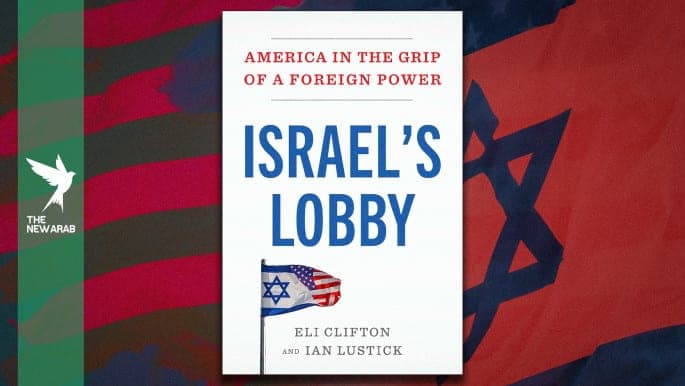
New Book Tracks AIPAC's $70 Million Fundraising Arm and Pollard's Return to Israel on an Adelson Jet
A new book by Eli Clifton and Ian Lustick traces AIPAC's finances and Jonathan Pollard's Adelson-funded return to Israel to map US pro-Israel lobbying power.

Arab American Candidates Win Two 2026 Primaries With Backing From New Super PAC Built to Counter AIPAC
Two Egyptian American candidates critical of Israel policy won 2026 Democratic primaries backed by a new super PAC built to counter AIPAC's spending in congressional races.
New book documents how Citizens United reshaped AIPAC's money machine, tracking $104 million in super-PAC spending since 2025
A new book by Eli Clifton and Ian Lustick uses FEC records to trace how Citizens United let AIPAC's super-PAC spend $104 million since 2025.