AIPAC-Backed Candidate Lost After Being Outspent 12-to-1 in Michigan, Then the Group Quietly Stopped Direct Endorsements
After pouring record sums into the 2026 midterms, the pro-Israel lobby saw its chosen candidate collapse in Michigan and moved to pull back from direct campaign funding days before voters went to the polls.
Source: The New Arab · published November 17, 2026
In Michigan's 2026 Democratic Senate primary, Abdul El-Sayed was outspent roughly 12 to one by his AIPAC-backed opponent, Haley Stevens. He won anyway. In the general election, Republican Mike Rogers drew more than $171 million in outside spending, much of it funneled through groups tied to the pro-Israel lobby. He lost too.
Two days before the general election, on the final day of early voting, Stevens endorsed Rogers, the Republican who had defeated her own party's nominee. AIPAC reposted her statement, which said loyalty to a party "should never require abandoning your values or judgement." According to the article, the move did not shift the race. Dearborn voters largely shrugged it off, and El-Sayed's campaign reported a surge in donations afterward.
Days before the midterms, AIPAC told its members in an email, first reported by Jewish Insider, that it would stop directly endorsing or funding candidates. The group said it would instead "prioritise increasing direct, organised contributions from individual Americans to candidates." The change does not touch AIPAC's super PAC infrastructure, including the United Democracy Project, founded in 2022, which can continue spending independently.
"It's clear that their direct contributions are more of a liability," said Hamid Bendaas, communications director for the IMEU Policy Project. "They know voters are broadly distrustful or reject candidates who receive their support."
James Zogby, president of the Arab American Institute, called the Michigan result instructive. "There's no question they've been dealt a blow. You can now target Israeli policy and win," he told The New Arab, adding separately that "the brand has become toxic."
A decade-long slide
AIPAC's 2026 setback did not come out of nowhere. In the 2022 cycle, the group drew criticism for endorsing Republican candidates who had denied the 2020 election results, a move widely read as placing loyalty to pro-Israel positions above basic democratic commitments. In the years since, a growing list of candidates, first progressives and then a wider swath of Democrats, began publicly refusing AIPAC money. In Michigan this cycle, Rogers himself said he would not accept direct AIPAC funds, even as the group indirectly backed ads supporting him.
The midterms were also the first national elections since the U.S. military strikes on Iran that Israel had pushed for, strikes that contributed to higher gasoline prices and a broader affordability squeeze at home. Istafa Zaidi, founder of the American Muslim Public Affairs Committee, said that squeeze is changing how voters think about foreign aid. "A new generation of Americans is questioning whether sending taxpayer money to Israel and becoming involved in conflicts on its behalf serves the people here at home," he told The New Arab.
Public polling backs up the shift in mood. A Pew Research Center survey from April 2026 found roughly six in ten Americans hold an unfavorable view of Israel, a marked change from the bipartisan sympathy AIPAC could once count on.
AIPAC's retreat from direct spending does not mean it is leaving the field. The super PAC model lets the same money move with less of the group's name attached to it. What changed in Michigan, according to the people who watched it happen, is that the name itself stopped being an asset.
Sources & Documentation
Related Coverage
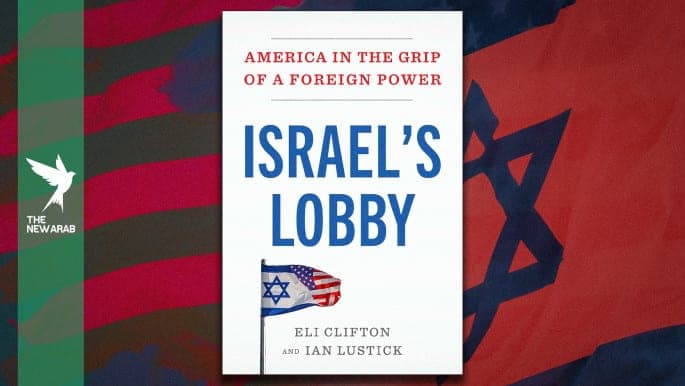
New Book Tracks AIPAC's $70 Million Fundraising Arm and Pollard's Return to Israel on an Adelson Jet
A new book by Eli Clifton and Ian Lustick traces AIPAC's finances and Jonathan Pollard's Adelson-funded return to Israel to map US pro-Israel lobbying power.
Pro-Palestine PACs Spent $14.4 Million This Cycle, AIPAC Still Outspent Them Six to One
New pro-Palestine super PACs spent $14.4 million and won almost every race, while AIPAC spent $84 million and $50 million more directly to candidates.
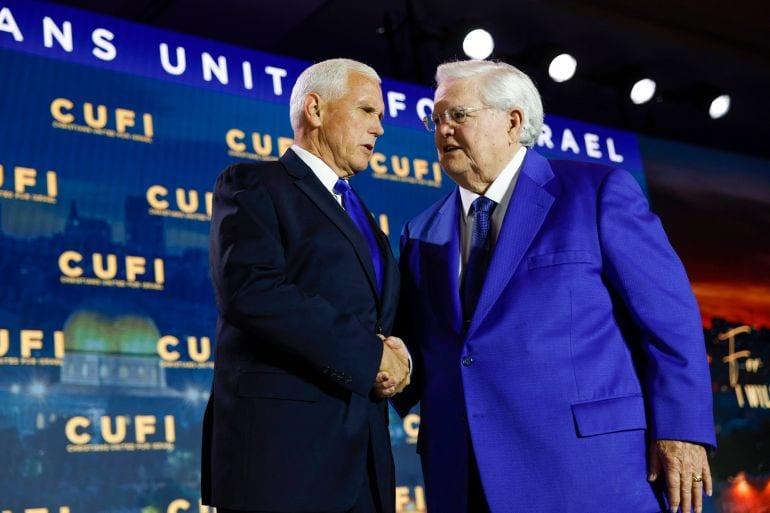
Congressional Bible Studies and $679,000 in Lobbying: How Christian Zionist Groups Built a Policy Pipeline on Israel
Filings, polling and sermons trace how Christian Zionist organizations lobby Congress, fund Israeli causes and shape US evangelical support for unconditional backing of Israel.